Bringing the local to modern and contemporary art
By Robin Goodman, Exhibitions & Collections Registrar at the Gund at Kenyon College
What do you get when you combine a never-built Frank Lloyd Wright home, an agricultural photographer, and a Gambier, Ohio sheep farm? You get The Gund’s recent exhibition To Dream a House: Frank Lloyd Wright in Knox County, exhibited from May 1 – July 27, 2025.
The Gund serves as the teaching museum for Kenyon College, focusing on collecting and exhibiting modern and contemporary art. As part of our strategic plan, The Gund strives to mentor the next generation of museum professionals through the Gund Associate Program and to experiment with new ways to engage artists, students, and faculty in mutual learning and challenging the boundaries between academic disciplines. To this end, the Associates on the Collection Management and Care Team, which I oversee, worked throughout the Spring 2025 semester to support this exhibition curated by Gregory Spaid, Professor Emeritus of Art at Kenyon, about a little-known piece of Knox County history in which Frank Lloyd Wright designed a house in 1946 specifically for Joe and Virginia Munroe. While this house was never built, the drawings and plans survive in the Avery Architectural & Fine Arts Library at Columbia University, New York and replicas authorized by The Frank Lloyd Wright Foundation served as the foundation for the exhibition.
Our Associates worked hard researching Frank Lloyd Wright (with emphasis on his “green building” techniques), Joe Munroe (a photographer of rural life) and the Walker sheep farm (which was a subject of Joe Munroe’s photographs and whose owners helped Joe and Virginia purchase a parcel of land on a wooded hillside overlooking the Kokosing River near Gambier where the house was to be built). With the aid of previously acquired copies of correspondence between Frank Lloyd Wright and Joe Munroe, the Associates were able to understand the evolution of the building project and the excitement of the immediate years after WWII. Their research was then distilled into a website, accessible in the gallery on an iPad. In addition to honing their research skills, the Associates helped to scan original photographs by Joe Munroe from the Walker Family archives and assisted in framing the reproductions of the original drawings and plans.
This particular project was meaningful in a number of ways to The Gund and really underscored the multiple ways that local history can be brought into the present. We were able to connect with the local community and our Alumni base, by programming two separate panel discussions about the project: one during Kenyon’s Reunion weekend and the other in collaboration with our local public library. This project also introduced a new generation to Frank Lloyd Wright (as several of my Associates remarked at the beginning of the project that while they knew the name, they were not familiar with his work), while also attracting an older local audience, many of whom visited specifically because they are Frank Lloyd Wright fans and have visited many of his buildings throughout the country.
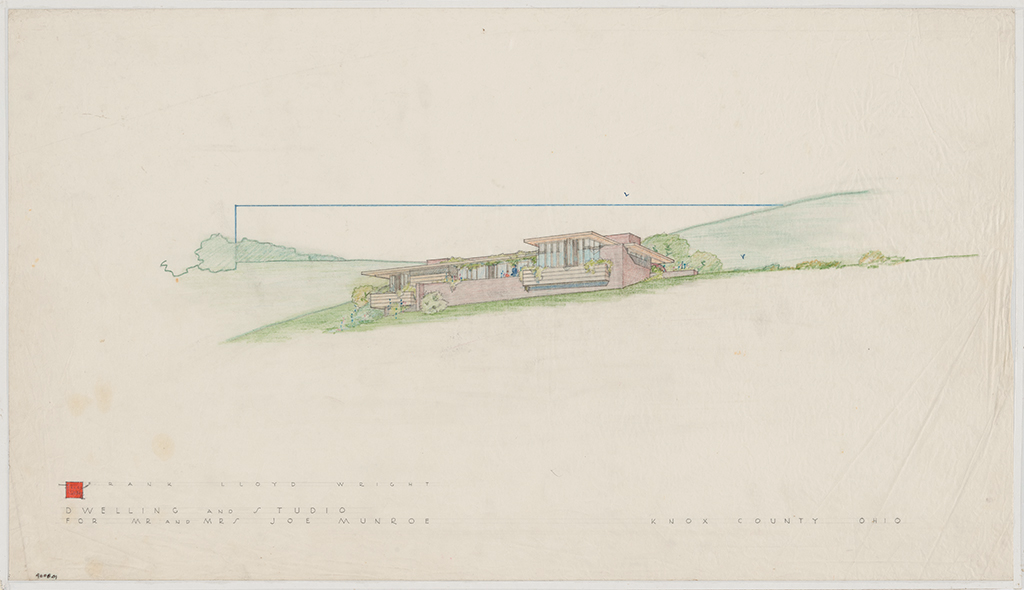
Project 4608: Joe and Virginia Munroe house and studio (Knox County, Ohio). Unbuilt Project. View. The Frank Lloyd Wright Foundation Archives (The Museum of Modern Art/Avery Architectural & Fine Arts Library, Columbia University, New York)
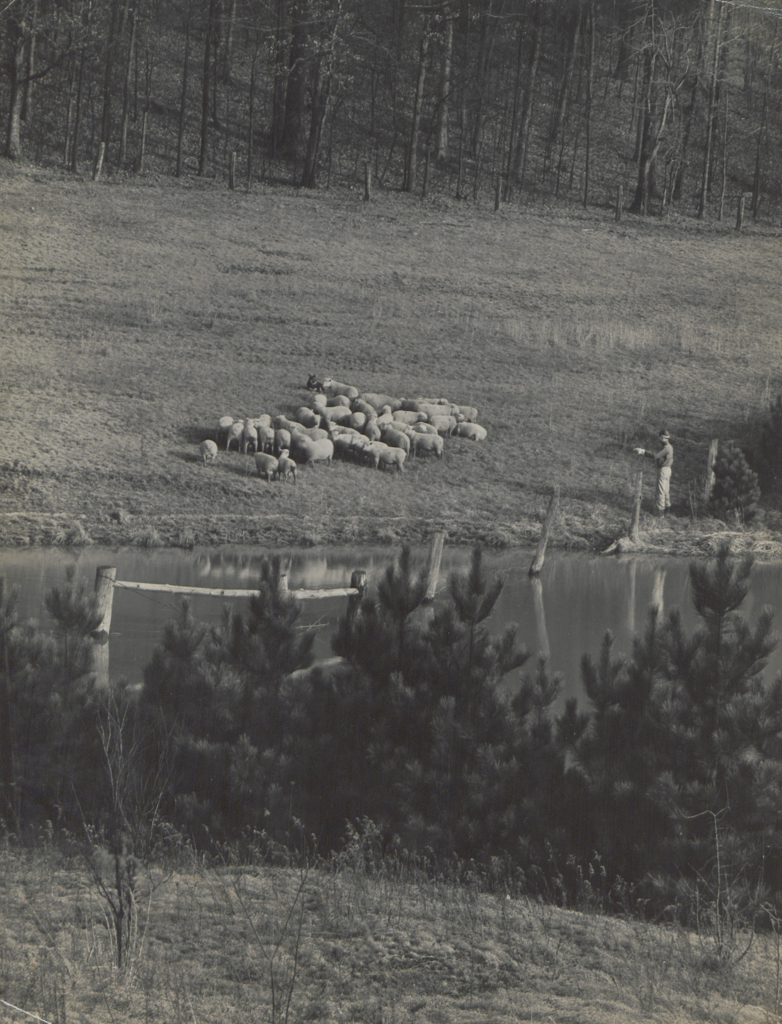
This undated Joe Munroe photograph shows Walker’s Pond (now part of the Brown Family Environmental Center at Kenyon College) with H. H. Walker and a border collie herding sheep. Image courtesy of the Walker Family.
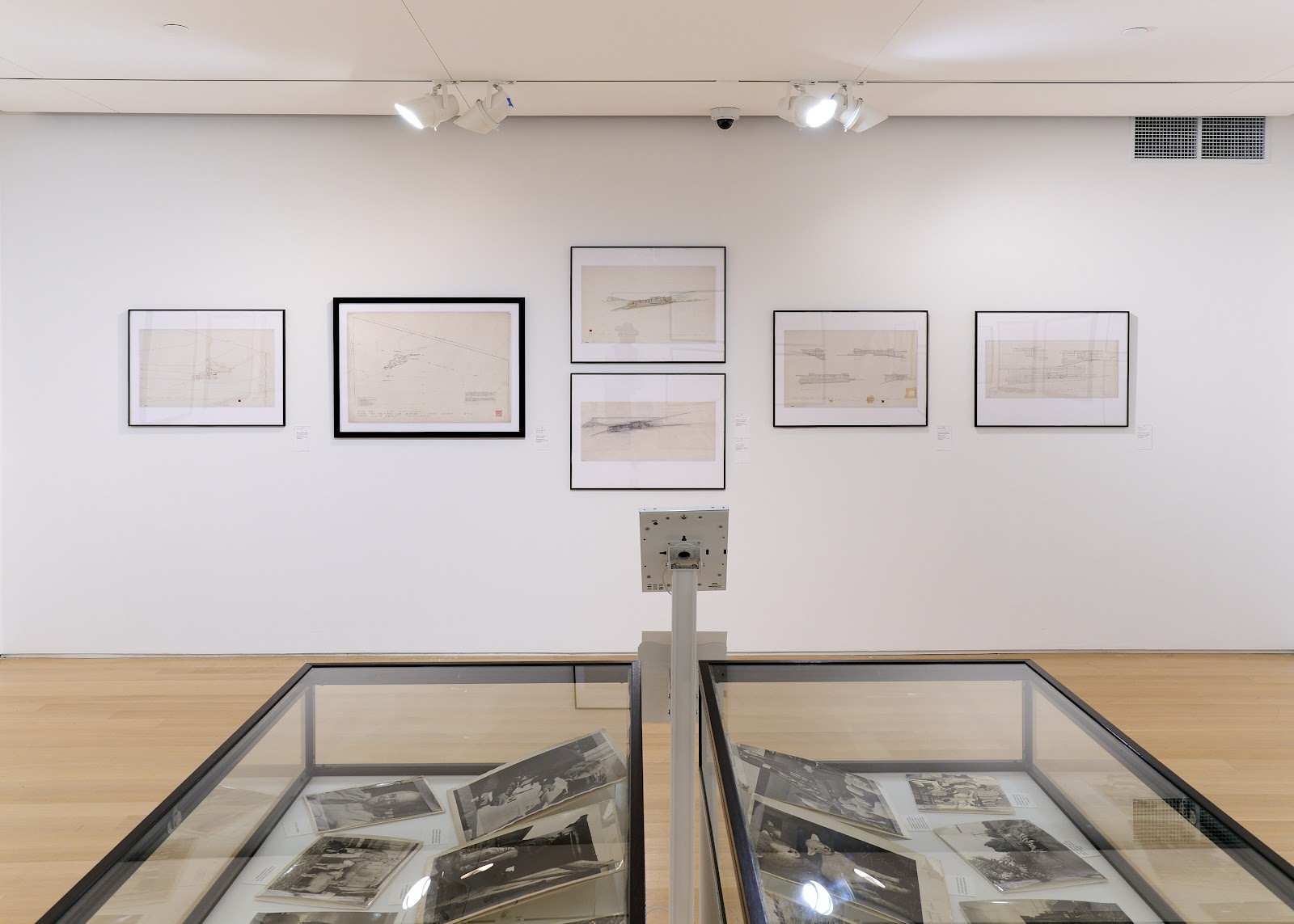
To Dream a House: Frank Lloyd Wright in Knox County, presented May 1 – July 27, 2025. Image courtesy of The Gund at Kenyon College. Photographer: Alan Geho.
 Midwest Registrars Committee